Vitamin A and Covid-19
Vitamin A plays a key role in regulating the immune system, development of lung tissue and repair of infection-related damage. To better understand its potential role in COVID-19, University Hospital Muenster researchers compared vitamin A blood plasma levels in critically ill and recovering COVID-19 patients. The study is one of the first to differentiate between unbound free vitamin A, retinol-binding protein (RBP) and total vitamin A. They found that critically ill patients in the acute phase of COVID-19 showed significantly decreased total vitamin A and RBP-bound levels compared to patients who were recovering. Although these results support previous studies that have shown vitamin A deficiency in patients with acute infections, the researchers say that more work is needed to understand how this deficiency might affect COVID-19 disease progression.
Richard Vollenberg will present thirting at noon on Tuesday, June 14, during NUTRITION 2022 LIVE ONLINE (presentation detailss research on-demand sta).
Please note that abstracts presented at NUTRITION 2022 LIVE ONLINE were evaluated and selected by a committee of experts but have not generally undergone the same peer review process required for publication in a scientific journal. As such, the findings presented should be considered preliminary until a peer-reviewed publication is available.
Vitamin A and COVID-19

Vitamin A for COVID-19 Prevention
.png)
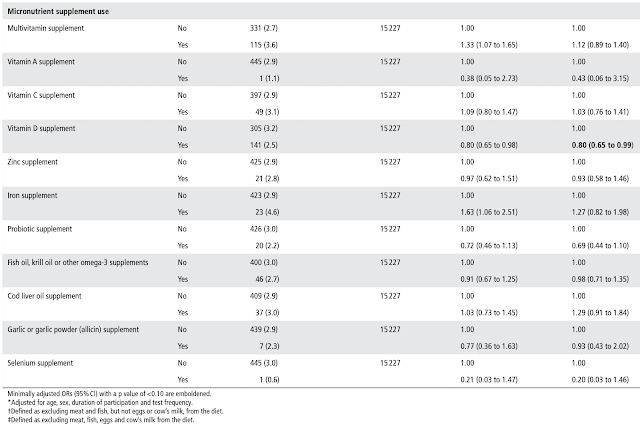
The COVIDENCE UK study (published in Thorax, BMJ), studied more than 15,000 participants in UK from May 2020 to February 2021. Out of the 15,227 participants, 2.9% tested positive (446 cases).
Vitamin A for Early Treatment
.png)
Key Takeaways
- Abundant evidence suggests that eating whole in fruits, vegetables and whole grains—all rich in networks of naturally occurring antioxidants and their helper molecules—provides protection against free radicals.
- Vaccination
- Getting Enough Sleep
- Avoid sugar, red meat and processed foods.
- Take steps to avoid infection, such as washing your hands frequently and cooking meats thoroughly.
- Try to minimize stress.
- Drink enough water to keep your body hydrated.
- Avoid drinking excess alcohol and stop smoking.
- Avoid crowded areas especially in-door.
- Regular outdoor physical activity. (Ref)
- Wear protective face mask. This is to protect not only yourself but others.
- Consult your nearest local healthcare provider if you have any doubt.
Comments
Post a Comment